In this guide
Parents and educators look for engaging, age-appropriate audiovisual tools to reinforce early learning concepts. This article highlights educational DVDs that support basic math, literacy, and number recognition through engaging formats. Each selection below features cited strengths such as catchy songs, age suitability, and interactive elements that can complement classroom activities or home study. The overview includes a quick reference table to compare core attributes at a glance.
| Product | Brand | Key Focus | Notable Feature |
|---|---|---|---|
| Multiplication Rap DVD | Rock ‘N Learn | Math Facts | Fast-paced rap for retention |
| 100 Singalong Songs For Kids | SONY MUSIC | Early Literacy & Music | Wide song selection for sing-along practice |
| Meet the Sight Words Level 1 | Preschool Prep Company | Sight Words & Reading Readiness | Ages 1–6 with simple, formative content |
| Brainy Baby 123s DVD Numbers 1 to 20 | Brainy Baby | Numbers & Counting | Colorful animations and interactive features |
style=”display:none;”>Intro Summary
Below are four carefully selected educational DVDs designed to engage kids across early elementary stages. Each title emphasizes interactive learning through visuals, music, or repetition to reinforce skills in counting, number recognition, basic math facts, and sight words. The following sections provide quick context, content highlights, and how each DVD can fit into home practice or classroom routines.
Multiplication Rap DVD by Rock ‘N Learn
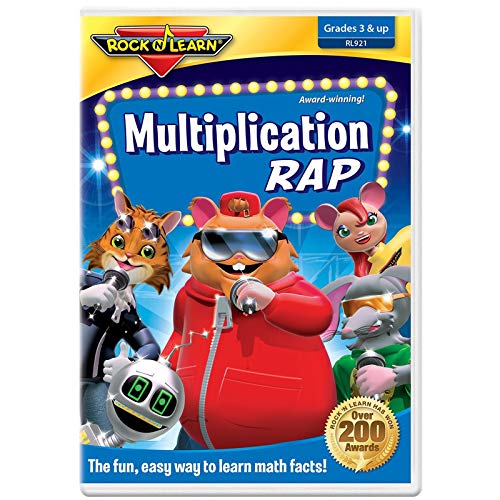
The Multiplication Rap DVD uses fast-paced music and rap-style delivery to help students memorize multiplication facts. This approach can be especially effective for learners who respond well to rhythm and repetition. The program is designed to keep older students engaged, including those who may resist more juvenile-sounding arithmetic songs. It presents a dynamic, movement-friendly format that supports classroom drill and independent practice, making it a practical tool for reinforcing basic multiplication knowledge.
Features cited include its focus on making facts memorable through rhythm, an appeal to a broad age range, and an emphasis on engagement as a route to better retention. While the primary aim is multiplication fluency, teachers and parents may pair it with quick practice sheets or timed drills to maximize effectiveness. Consider pairing with other math activities to balance auditory learning with visual or written tasks.
100 Singalong Songs For Kids
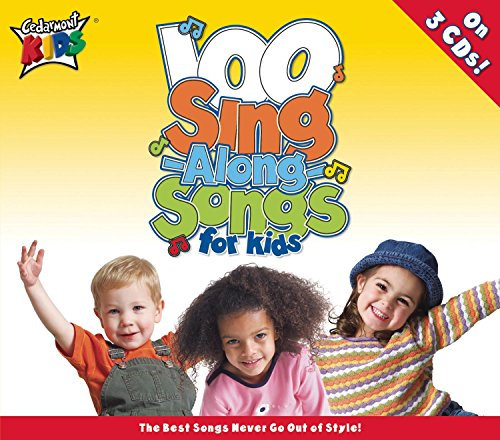
This compilation from SONY MUSIC provides a broad library of singalong songs designed to support early literacy and language development. Music-based learning can help with phonemic awareness, rhythm, and vocabulary growth as children hum along and imitate lyrics. The wide variety of songs supports repeated listening, which can reinforce word recognition and sound-letter relationships. Useful in both classroom settings and at home, it can complement reading readiness activities and daily routines that include music, movement, and rhythm.
While the product listing highlights the music collection, educators may want to curate a mix of songs that align with targeted literacy objectives, such as alphabetic sounds, common sight words, or rhyme schemes. Pairing songs with short discussion prompts or associated flashcards can turn passive listening into active language practice.
Meet the Sight Words Level 1 DVD

Designed for early readers, Meet the Sight Words Level 1 targets foundational word recognition through simple, repetitive activities suitable for ages 1–5 to 6. The included features emphasize a compact, age-appropriate format that can support guided practice and independent work. With a focus on recognizable words and light interactivity, this title can slot nicely into core literacy routines, especially during the initial stages of word identification and reading readiness.
Using sight words as a stepping stone to fluency, teachers and parents can structure short, consistent practice periods that pair the DVD with flashcards or printable exercises. The straightforward content helps minimize cognitive overload while reinforcing essential reading components.
Brainy Baby 123s DVD Numbers 1 to 20 Classic Edition

Brainy Baby 123s introduces numbers from 1 to 20 through colorful visuals, friendly characters, and upbeat songs. The program utilizes familiar objects and animated scenes to reinforce counting skills, number recognition, and basic number sense. It also includes special features such as Baby Bloopers, Behind The Scenes, Video Sing-Along, and an Interactive Activity, which can extend engagement beyond passive viewing and provide opportunities for hands-on counting tasks or commenting on what was learned.
Educators and parents can integrate this DVD into daily routines by pairing segments with hands-on counting activities, number cards, or counting games. The balance between entertaining visuals and educational content makes it a versatile option for early math introduction and reinforcement.
Buying Guide
- Age and Skill Alignment: Choose titles that match the child’s current developmental stage—early literacy, number sense, or basic math facts. Look for explicit objectives and age ranges in product descriptions.
- Learning Style Fit: Consider whether the child benefits most from music-based repetition, visual storytelling, or interactive activities. A mix of formats can support diverse learning preferences.
- Pacing and Length: Short, digestible segments work best for younger children; longer videos may suit independent practice for older kids. Watch trailers or sample clips to gauge pacing.
- Engagement and Repetition: Programs that blend repetition with variety help reinforce concepts without causing boredom. Look for songs, rhymes, and interactive prompts.
- Curriculum Alignment: Seek out content that aligns with core competencies like counting, number recognition, and foundational sight words. This helps reinforce classroom learning at home.
- Supplementary Activities: Pair DVDs with hands-on activities such as flashcards, printables, or guided practice to deepen understanding and retention.
- Accessibility and Language: Consider audio clarity, subtitles, and clear articulation to support language development and accessibility for diverse learners.
- Durability and Use Case: For classroom use, choose durable cases and consider how often the DVD will be played. At home, portability and ease of use are important.
- Digital Access vs. Physical Media: Some titles have companion online resources or streaming options; weigh convenience against offline viewing needs.