In this guide
Choosing coding toys for 7-year-olds can spark a lifelong love of learning. This guide highlights hands-on, screen-free options that teach logic, sequence, and problem-solving through play. Each pick below is designed for beginner coders while offering room to grow with developing skills. Explore safe, engaging projects that encourage exploration, experimentation, and creativity in classrooms or at home.
| Product | Brand | Why It Stands Out |
|---|---|---|
| Botley The Coding Robot | Learning Resources | Screen-free coding with 80-step options and obstacle challenges |
| Snap Circuits Jr. SC-100 | Snap Circuits | Over 100 project ideas that teach basic electronics safely |
| Cooper The STEM Robot | Learning Resources | 4 play modes and 40 coding cards for flexible learning |
| Code & Go Robot Mouse | Learning Resources | Easy push-button coding with a responsive, sound-making mouse |
| Makeblock mBot | Makeblock | Scratch and Arduino compatibility with easy assembly |
Below are five top picks that align with the “coding toys for 7 year olds” goal, offering progressive challenges, safe materials, and engaging learning outcomes.
Botley The Coding Robot – Screen-Free Fun

Botley delivers screen-free coding basics with intuitive remote controls and 80-step programming options. Its obstacle-detection feature grows with a child’s skill, offering increasing challenges as a child progresses. The set is ready to use out of the box (batteries required). This makes it a strong starter for young coders who benefit from physical, hands-on sequences rather than screen-based instructions.
Snap Circuits Jr. SC-100 Electronics Kit

Snap Circuits Jr. introduces basic electronics with a safe, modular system. With 100+ project possibilities and a colorful instruction manual, kids can assemble circuits to build things like alarms and flying devices. The kit emphasizes hands-on experimentation and logical sequencing, making it ideal for ages 8 and up who enjoy tangible problem solving.
Cooper The STEM Robot

Cooper combines screen-free coding with four interactive play modes and 40 coding cards, supporting critical thinking and problem-solving. USB-C charging adds convenience for longer learning sessions, reducing interruptions due to battery changes. The robot’s approachable design helps young learners connect actions with outcomes in a tangible way.
Code & Go Robot Mouse
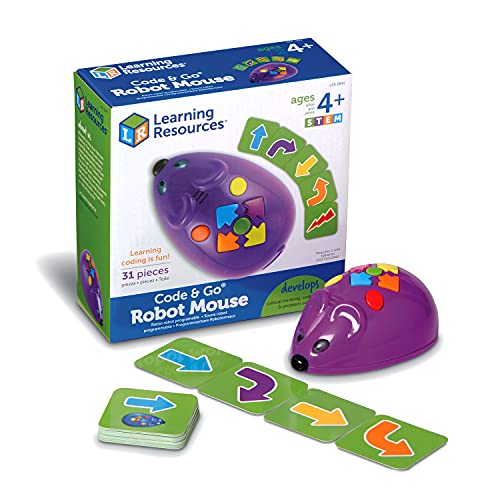
Code & Go Robot Mouse introduces programmable sequencing through easy push-buttons. The mouse responds with lights and sounds to reinforce cause-and-effect concepts, with simple path-planning using pictorial coding cards. It builds foundational skills in a playful, accessible format suitable for tabletop or floor play, using three AAA batteries (not included).
Makeblock mBot Robot Kit

The mBot kit introduces kids to electronics, robotics, and programming via Scratch and Arduino. It’s easy to assemble in about 15 minutes and supports step-by-step learning with rich tutorials. The bundle includes apps and software for coding practice, code-based projects, and remote-control play, expanding from basic to more advanced robotics concepts.
Buying Guide: What To Look For In Coding Toys For 7-Year-Olds
When selecting coding toys for seven-year-olds, consider how the product balances safety, pedagogy, and engagement. Screen-free options help children focus on sequencing and logic without distraction, while devices with clear, progressive challenges support steady skill growth.
- Age appropriateness: Ensure the product is designed for early elementary learners and offers a gentle progression from simple to more complex tasks.
- Hands-on learning: Look for physical components, manipulatives, or tactile controls that reinforce step-by-step thinking and problem solving.
- Safety and materials: Prefer non-toxic plastics and child-friendly designs with rounded edges and secure batteries or charging methods.
- Expansion potential: Choose toys that offer additional activities or compatible accessories to extend learning as skills improve.
- Ease of use: Favor intuitive controls, visual guides, and beginner-friendly programming concepts, such as sequences and loops, before introducing variables.
- Durability and value: Consider builds that tolerate classroom wear or home use, with reliable parts and clear instruction materials.
- Long-term engagement: Items that support different play modes or project-based challenges tend to keep interest over time.
These considerations help ensure a balance of educational value and engaging play. Parents and educators can mix and match based on a child’s interests—whether they enjoy building gadgets, solving puzzles, or programming robots. By providing varied experiences across screen-free robotics and electronics kits, learners can build confidence while laying a foundation for more advanced coding concepts later on.