In this guide
Color sorting toys help toddlers develop early math concepts, color recognition, fine motor skills, and problem-solving abilities. This guide features five carefully chosen options that suit 2-year-olds and preschoolers, emphasizing safe materials, engaging play, and Montessori-inspired design. Each product blends tactile activity with color matching to support classroom and home learning environments.
| Product | Brand | Key Benefit | Approximate Age |
|---|---|---|---|
| Oomloid Counting Animals Montessori Toys | Oomloid | Color matching with sorting bowls and tweezers to foster math readiness | 3-5 years |
| Farmer’s Market Color Sorting Set | Learning Resources | Color recognition with play food and bushel baskets | Toddlers |
| FQKIOMY Color Sorting Toys | FQKIOMY | Montessori-inspired color sorting and counting with soft materials | 3+ years |
| Color Sorting Toys Sensory Toys by ZaxiDeel | ZaxiDeel | Fine motor color sorting, sensory beads for calming play | 1-3 years |
| Dailyfunn Montessori Color&Shape Sorting Box | D Dailyfunn | Color and shape matching with hands-on learning cards | 1-3 years |
Oomloid Counting Animals Montessori Toys

- Includes 36 multi-colored animal figures, 6 rainbow color sorting bowls, and 2 tweezers.
- Designed for toddlers and kids aged 3-5 and 4-8, supports early math, counting, and color matching.
- Encourages learning through hands-on sorting and grouping, helping kids gain confidence in math concepts.
The Oomloid counting animals provide a tactile introduction to color sorting and early numeracy. With a Montessori-inspired setup, children practice hand control while selecting the correct colored bowl for each animal, reinforcing color recognition and one-to-one correspondence. The tweezers add a fine-motor challenge that promotes dexterity and concentration as children sort by color and animal type.
Learning Resources Farmer’s Market Color Sorting Set
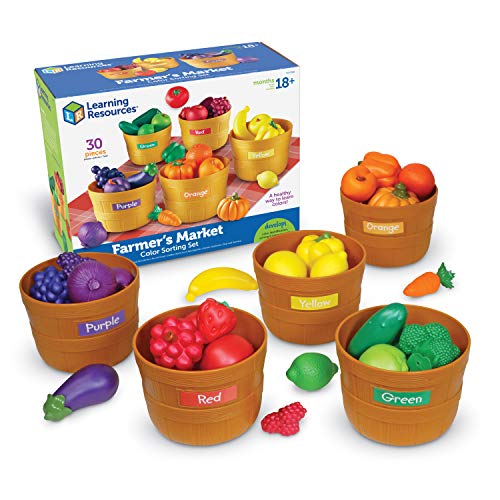
- Play food items come in realistic colors to boost color recognition and vocabulary.
- Includes bushel baskets for easy visual organization and sorting activities.
- Supports preschool-ready skills, including sorting, vocabulary building, and early math concepts.
In this set, children sort play foods by color, offering a tangible way to explore color families while building language and cognitive skills. The realistic play foods encourage imaginative play, while the color-coordinated baskets provide clear, visual categorization cues that help kids grasp sorting concepts. This option blends social play with academic learning, making it suitable for classroom centers or home activities.
FQKIOMY Color Sorting Toys for Toddlers

- Montessori-inspired set with colorful counting animals, soft materials, and easy grasp for toddlers.
- Supports mastering counting, color sorting, grouping, patterning, comparing, and basic arithmetic.
- Durable and washable, designed for multi-child play and family involvement.
FQKIOMY offers a vibrant, tactile approach to early math concepts. The soft, beaded pieces are gentle on small hands while providing a robust sorting challenge. The included animal theme keeps children engaged as they practice counting and color matching, laying a foundation for STEM readiness. The design emphasizes hands-on exploration and cooperative play, which can promote social interaction and collaborative problem-solving during learning activities.
Color Sorting Toys Sensory Toys By ZaxiDeel

- Flower-shaped color sorting design focuses on squeezing and pressing colored beads into matching colors.
- Suitable for toddlers 1-3 years old to build color recognition and early math skills.
- Includes a calming sensory element, making it useful for kids with sensory processing needs.
The ZaxiDeel set emphasizes fine motor control and sensory integration. The tactile beads and soft rubber components encourage precise finger movements, which support pincer grasp development. As children sort colors, they also exercise visual discrimination and foundational math concepts. The sensory aspect can be particularly beneficial for calming a child during transition times or challenging activities, while still providing meaningful educational value.
Dailyfunn Montessori Color&Shape Sorting Box
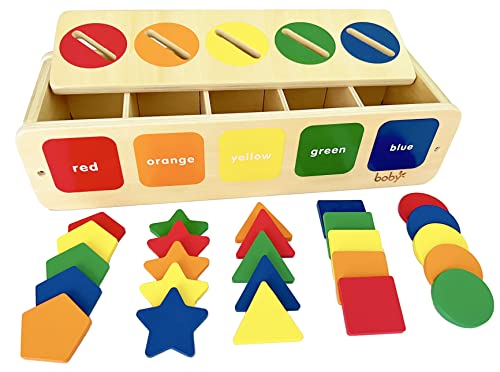
- Total 25 solid wood pieces in 5 colors and 5 shapes with 13 answer cards for advanced mode.
- Encourages independent learning while aligning with Montessori principles.
- Develops logical thinking, shape and color matching, and fine motor skills.
Dailyfunn’s color-and-shape sorting box blends core Montessori concepts with a hands-on approach to early geometry. The included answer cards present opportunities for more structured exploration, while the wooden construction ensures durability and safety for little hands. Children practice color and shape matching, count the pieces, and engage in problem solving as they fit pieces into correct slots. This versatility makes it a strong option for home use or classroom centers.
Buying Guide: Key Purchase Considerations
When choosing color sorting toys for 2-year-olds, consider material quality, safety, and instructional value. Favor non-toxic finishes, rounded edges, and accessible pieces that fit small hands. Look for a variety of sorting cues—color, shape, animal type, and size—to promote flexible thinking and prevent rote learning. Consider whether the set supports multi-child play or caregiver involvement to encourage social skills and language development. Durability matters for early learners who may be rough with toys, so wooden or high-quality plastic with sturdy joints is ideal. Finally, assess storage needs and how well the toy integrates with your existing learning activities or classroom setups.
In terms of learning outcomes, color sorting toys should target core developmental areas: color recognition, number sense, fine motor skills, hand-eye coordination, and early problem-solving. Montessori-inspired options can offer self-directed exploration and practical life skills, while play-food or animal-themed sets can boost vocabulary and imaginative play. Compare sets by the number of sorting cues, the ease of use for toddlers, and whether the materials support repeated, independent practice or require more guided interaction. A balanced collection can provide both autonomous play and guided learning experiences, aiding consistent skill development over time.