In this guide
Choosing the right keyboard piano for a child can spark a lifelong love of music. The following hand-picked electric pianos are designed for beginners and young learners, offering kid-friendly features, sturdy builds, and engaging learning tools. Each option below combines portability with educational value, helping kids explore melodies, rhythms, and creativity at their own pace.
| Product | Brand | Keys | Notable Features |
|---|---|---|---|
| RockJam 49 Key Keyboard Piano | RockJam | 49 | Sheet music stand, note stickers, Simply Piano lessons |
| RockJam 61-Key Keyboard Kit | RockJam | 61 | Stand, stool, headphones, notes stickers, lessons, LCD |
| Donner 61 Key Keyboard Piano | Donner | 61 | Stand, stool, mic, 249 voices/ rhythms, LCD |
| M SANMERSEN 37 Key Upgrade | M SANMERSEN | 37 | Record & Playback, 8 rhythms, dual speakers, kid-friendly |
| aPerfectLife 37 Key Portable | aPerfectLife | 37 | Multiple modes, USB power, dual speakers |
RockJam 49 Key Keyboard Piano
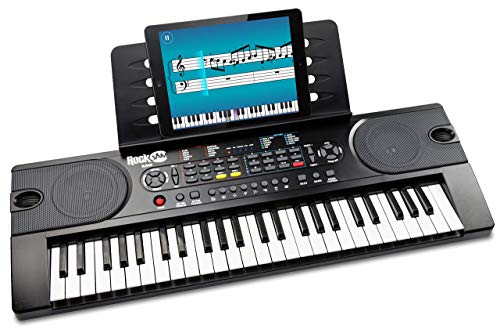
The RockJam 49 Key Keyboard Piano offers a compact learning setup suitable for desks or small spaces. Its 49 full-size keys provide a familiar feel while remaining approachable for younger hands. A built-in power supply keeps setup simple, and a wired sheet music stand helps kids practice with real sheet music or lesson sheets. The included piano note stickers support quick note-location recognition, aligning with beginners who are just learning to read music. Simply Piano lessons enhance guided practice, making this package ideal for solo practice or family lessons.
RockJam 61-Key Keyboard Kit
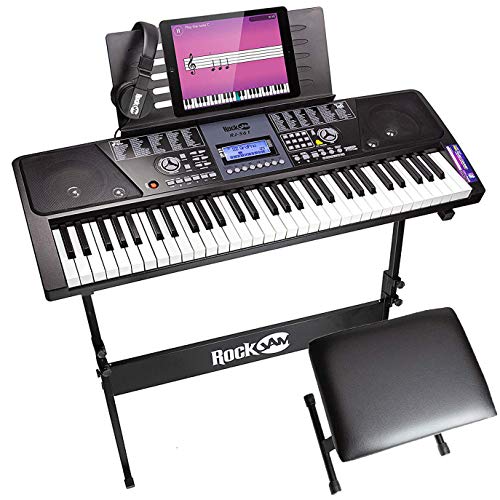
Designed for growing players, this 61-key RockJam kit mirrors a more traditional piano layout while staying approachable for kids. The dynamic LCD display provides access to 100 rhythms, 50 tones, teaching functions, and 30 demo songs—an engaging blend for practice and exploration. The inclusion of record and playback functionality lets young musicians layer sounds, review performances, and refine technique. It’s a versatile option for families seeking a more complete at-home music setup that remains manageable for beginners.
Donner 61 Key Keyboard Piano Kit

The Donner DEK-610S kit presents a well-rounded package with 61 keys, a stand, stool, microphone, and power adapter—everything needed to start playing quickly. It features 32-note polyphony, 249 voices and rhythms, 50 demo songs, and 3 teaching functions to support progressive learning. An LCD display helps indicate current functions and settings, making it a practical option for kids who want a more interactive, instrument-like experience without overwhelming complexity. This kit suits families building a small in-home studio or classroom-like practice space.
M SANMERSEN 37 Key Upgrade

This 37-key upgrade emphasizes portability and kid-friendly design with a wood-grain key aesthetic and a recording function for kids to create and playback their melodies. It includes 8 rhythms, 8 tones, 19 demos, and a dual-speaker setup to ensure robust, engaging sound. Aimed at younger children ages 3–8, it balances simplicity with enough features to maintain interest as skills grow. Battery-powered or USB-powered options increase where and how it can be used, from living room to classroom corners.
aPerfectLife 37 Key Portable Keyboard
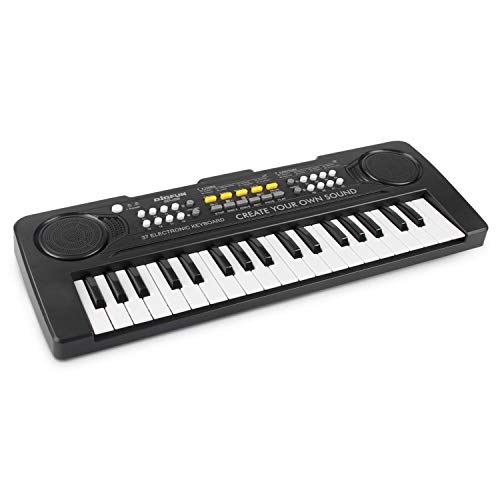
The aPerfectLife 37-key model emphasizes portability and a multi-mode experience with 8 tones, 8 rhythms, 11 demos, and 4 percussion options alongside dual speakers. It supports USB power for easy use with power banks or computer ports, and its compact design makes it an attractive travel-friendly option for kids who want music practice on the go. The built-in standby function conserves power, helping parents manage usage time without constant supervision.
Buying Guide: Key Considerations For Selecting An Electric Piano For Kids
- Key count and action: Start with 37–49 keys for younger children and 61 keys for a more piano-like feel as skills grow. Check key size and touch sensitivity if available, aiming for a comfortable, responsive playing surface.
- Learning features: Built-in lessons, demo songs, and recording playback can accelerate learning. Look for kits that include stickers, lesson apps, or guided teaching functions to reinforce music theory basics.
- Sound variety and rhythms: A broader palette of tones and rhythms keeps practice engaging. Consider models offering multiple rhythms, demo songs, and the ability to layer or record performances.
- Accessories and setup: Packages with stands, benches, music stands, microphones, and headphones reduce extra purchases and create a ready-to-play setup for kids.
- Power options: USB-powered and battery-powered options support flexible usage at home, school, or on the go. Ensure the included power supply is safe and appropriate for children.
- Durability and age suitability: Choose sturdy builds with rounded edges and non-toxic materials. Check age recommendations and safety certifications when available.
- Portability: For kids who travel or attend lessons away from home, a lighter, compact model helps maintain consistent practice habits.
- Grow-with-me potential: Models with additional features screen a path from beginner to more advanced playing, making them a longer-term learning partner.
- Price and value: Consider whether the included accessories and lesson resources justify the cost. A bundled kit can be more economical than purchasing components separately.
Each option above is intended to support a child’s early exploration of music, from learning notes to composing simple melodies. When selecting, balance kid-friendly features with long-term growth potential, ensuring the instrument remains engaging while approachable.