In this guide
Finding engaging electronic toys for 9-year-olds can balance imagination, problem-solving, and hands-on learning. The following selections combine coding basics, memory training, and engineering challenges to keep curious minds active. Each product below features age-appropriate complexity, durable design, and educational value suitable for boys and girls around ages 6–12. Use this guide to compare options that foster critical thinking, creativity, and collaboration without overwhelming screens.
Summary of chosen products:
| Product | Focus | Key Benefit | Brand |
|---|---|---|---|
| Memory & speed games | Improves concentration and reaction time | Xinbeiya | |
| Games, camera, pedometer | Develops sequencing and time-telling skills | Wiszodet | |
| LEGO tech construction | Hands-on engineering concepts | Klutz | |
| Memory & attention games | Boosts memory and pattern recall | PlayRoute | |
| Mechanical STEM play | Great for engineering practice and creativity | Smartivity |
Xinbeiya Rechargeable Game Handheld Cube

The Xinbeiya handheld cube offers a compact, portable brain-training experience with three speed games, three memory games, and two creativity games. It supports solo play or competitive mode, making it suitable for individual challenges or friendly tournaments with peers. The device is designed as a STEM-friendly gift for children aged 6–12 and emphasizes sharpened focus, faster reflexes, and sustained attention through escalating game speed. Its rechargeable design adds convenience for regular play without ongoing battery concerns.
Key features include a score screen for tracking progress and an emphasis on concentration and reaction time. The games—Comet Hunt, Alien Track, and Shoot Lurker—progress in difficulty, offering measurable milestones as kids advance. The cube’s multi-game format supports varied cognitive skills, including memory, processing speed, and strategic planning. This makes it a versatile option for families seeking a compact electronic toy that still fosters critical thinking.
Potential considerations: ensure appropriate supervision for younger players to manage screen time and set play limits. While the cube is designed for ages 6–12, older children may require more advanced challenges to stay engaged over time.
Wiszodet Kids Smart Game Watch

The Wiszodet smart game watch combines wearable tech with multiple interactive features. It includes a 1.54-inch touch screen, a selfie camera, 24 games, a music player, a pedometer, alarm functions, and a learning-oriented time feature. This device supports both casual play and more structured activities, helping kids practice time management, basic photography, and digital navigation. The watch is designed for children ages 5–12 and encourages exploration of digital tools in a controlled, kid-friendly environment.
Educational value centers on developing hand-eye coordination, early multimedia literacy, and sequencing skills through the 24 puzzle games. The video camera feature adds a creative outlet for capturing moments, while the internal storage capability supports memorable use and personalization. The watch’s secure, age-appropriate design makes it a strong option for tech-curious children who want a multifunctional gadget that remains within a kid-safe ecosystem.
Considerations: monitor screen exposure and set routines to balance screen time with physical activities. Check battery life and charging availability for consistent use during school days and weekends.
Klutz Lego Gear Bots

Klutz Lego Gear Bots is a STEM activity kit that blends LEGO Technic elements with papercraft to construct eight kinetic creatures. The project combines building with practical mechanical concepts such as axles, cams, and cranks, accompanied by a 64-page book of step-by-step instructions. This activity promotes engineering literacy, problem-solving, and perseverance as kids test and refine their automata models. It’s suited for ages 8–12 and works well for individual projects or collaborative classroom-style challenges.
Educational angles include understanding simple machines, gear ratios, and motion transfer in a tangible, hands-on format. The kit’s open-ended nature invites experimentation and creativity beyond the provided builds, encouraging kids to design their own gear-driven devices. The inclusion of all necessary LEGO parts in one package makes setup straightforward for immediate play and exploration.
Considerations: some younger users may need an adult or older peer to assist with more complex builds. The aesthetic appeals to fans of robotics and engineering, while offering long-term play value through expanding project ideas.
PlayRoute Electronic Brain & Memory Game Cube
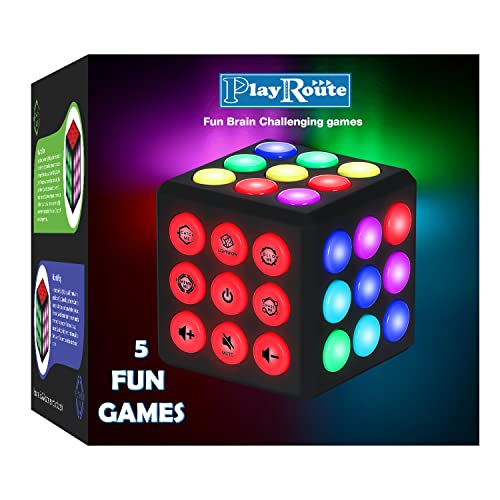
The PlayRoute Light Up Cube offers five engaging brain and memory games designed to improve pattern recognition, memory, and concentration. Its compact handheld format makes it ideal for travel or quiet play at home. Games like “Follow Me” and “Remember Me” challenge players to memorize sequences, encouraging sustained focus and cognitive flexibility. The device is marketed as suitable for ages 6–12 and even appeals to teens, making it a versatile gift for mixed-age groups during holidays or family gatherings.
Benefits include portable entertainment that reinforces cognitive skills without relying on traditional screen-based play. The light-up cues add a tactile and visual dimension that can attract visual learners. The variety of games supports both solo play and friendly competition, fostering social interaction alongside individual brain training.
Considerations: ensure a suitable amount of playtime to balance with other activities. Some users may desire additional games or updates beyond the included options, so consider longevity of interest when selecting this device for a gift.
Smartivity DIY Pinball Machine

Smartivity DIY Pinball Machine is a desktop, screen-free project that combines assembly with mechanical science. The set guides kids through constructing a working pinball machine, highlighting physics concepts such as momentum, energy transfer, and leverage. It emphasizes hands-on experimentation and iterative building, making it a compelling choice for kids who enjoy tangible engineering challenges. The product touts a lifetime replacement parts policy, ensuring long-term usability and ongoing engagement for learners aged 8–99.
The kit’s instructional manual provides clear, age-appropriate steps, enabling progress from basic assembly to more complex adjustments. This encourages patience, problem-solving, and perseverance as users optimize their machines for better scores and longer play sessions. The lack of screens makes it ideal for families seeking immersive, family-friendly STEM activities.
Considerations: assembly time can vary; younger kids may require initial guidance. Check for the availability of replacement parts over time to maximize the toy’s lifespan and enjoyment.
Buying Guide: Key Purchase Considerations
- Age and skill alignment: Choose toys that match the child’s cognitive level and curiosity. Look for adjustable difficulty or multiple activities to grow with the child.
- Educational value vs. entertainment: Seek devices that balance fun with learning outcomes such as memory, logic, engineering concepts, and problem solving.
- Durability and safety: Prioritize sturdy construction and non-toxic materials. Ensure small parts are appropriate for the child’s age to prevent choking hazards.
- Screen time balance: Consider options that offer meaningful hands-on experiences to reduce passive screen time while still providing digital learning elements.
- Longevity and expandability: Prefer kits with replaceable parts or additional projects to extend play value beyond the initial builds.
- Portability and storage: Portable devices and compact kits are easier to integrate into travel, commutes, and family activities.
- Budget and value: Compare sets that offer multiple activities or long-term use to maximize educational impact within budget constraints.
- Safety and parental controls: For smart watches or devices with cameras, review privacy features and parent-friendly controls to ensure a safe experience.
All listed products provide varied approaches to learning through play, from wearable tech and memory games to engineering kits and mechanical construction. When selecting, consider the child’s interests—whether they lean toward technology, puzzles, or hands-on building—and how the toy supports ongoing exploration and skill development beyond a single activity.