In this guide
Finding engaging tools that blend play with education helps kids build essential skills across reading, writing, and problem solving. The following five devices and learning aids are selected for their kid-friendly design, interactive features, and evidence-based approaches to early learning. Each product focuses on literacy, numeracy, or language development, offering pathways for curious minds to explore safely at home or on the go.
| Product | Brand | Core Focus | Key Benefit |
|---|---|---|---|
| LeapFrog LeapPad Academy Kids’ Learning Tablet, Green | LeapFrog | Early education apps and browsing | Structured learning adventures with a three-month LeapFrog Academy trial |
| LeapFrog Mr Pencil’s Scribble Write and Read, Green | LeapFrog | Writing, tracing, name practice | Step-by-step letter formation and personalized name writing |
| Airbition Talking Flash Cards for Toddlers | Airbition | Vocabulary, language exposure | 224 illustrated words with Montessori-style audio |
| LeapFrog Touch and Learn eReader | LeapFrog | Story time, phonics, vowels | Read-along tales and interactive phonics |
| Spanish & English 510 Words Alphabet Bilingual Talking Flash Cards | MAYAPHILOS | Bilingual language development | 255 double-sided cards in English and Spanish |
LeapFrog LeapPad Academy Kids’ Learning Tablet, Green
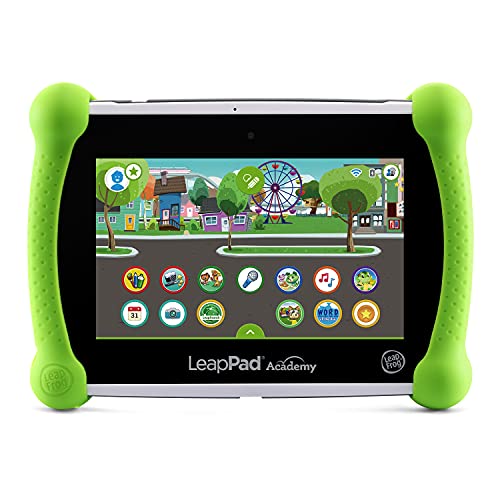
The LeapPad Academy blends age-appropriate Android features with kid-friendly content. It includes 20 educational apps and creativity tools designed by LeapFrog learning experts, along with LeapSearch—a safe, kid-friendly browser for exploring websites and videos. A free three-month LeapFrog Academy trial provides guided, interactive learning adventures that adapt to a child’s progress, reinforcing literacy, numeracy, and critical thinking in a playful format.
Key considerations
Parental controls help tailor access to content and screen time. The device emphasizes a curated learning path, making it suitable for home use and short learning sessions on the go.
LeapFrog Mr Pencil’s Scribble Write and Read, Green

This interactive writing toy guides children through uppercase and lowercase letter formation with step-by-step prompts. It then animates the traced letters into friendly animals and objects, making handwriting practice engaging. The device also supports tracing numbers via dotted lines and offers a name-writing feature so kids can personalize their practice by entering their own first, middle, and last name.
Key considerations
Designed to reinforce letter recognition, handwriting, and basic number sense, this toy combines tactile tracing with imaginative visuals to maintain interest during literacy learning sessions.
Airbition Talking Flash Cards for Toddlers

This Montessori-inspired learning device features 224 colorful illustrations with corresponding sounds to expand vocabulary and cognitive skills. It supports speech therapy and autism-focused learning through sound-image associations. A simple on/off switch, five-level volume control, and repeat button provide a straightforward, user-friendly experience for toddlers and caregivers alike.
Key considerations
Visual-audio pairing and a portable form factor make this ideal for everyday language exposure at home, in daycare, or during travel. It emphasizes non-screen learning, which can be a welcome break from screens while reinforcing language skills.
Spanish & English 510 Words Alphabet Bilingual Talking Flash Cards
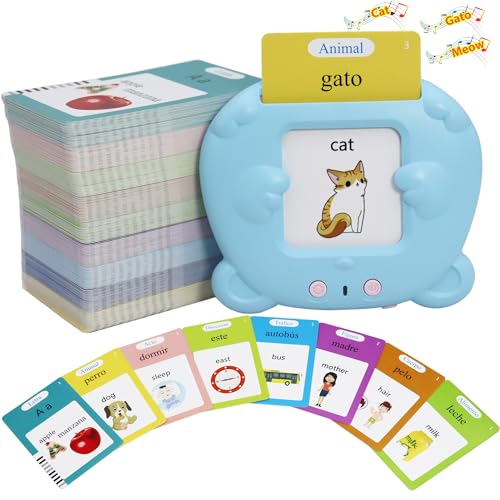
This bilingual set contains 31 themed cards and an extensive collection of 510 sight words across 255 double-sided cards. It supports ongoing language development in both English and Spanish, helping children build vocabulary, reinforce phonics, and practice word recognition. The device reads aloud the matched words in both languages, facilitating cross-language learning without screens.
Key considerations
Suitable for preschool and early elementary use, the cards encourage parent-child interaction. This format supports a gentle, screen-free approach to bilingual literacy and cognitive development.
Buying Guide: Key Purchase Considerations And Comparisons
Choosing the right learning devices for kids involves balancing content quality, age appropriateness, and family goals. Consider the following perspectives to make an informed choice:
- Age suitability: Ensure the device aligns with the child’s developmental stage. Early learners benefit from tools that emphasize fine motor skills, letter formation, and basic vocabulary, while older kids may gain more from interactive stories and structured practice.
- Content quality and pedagogy: Look for products designed with education experts or evidence-based play patterns. Structured activities, guided learning paths, and progressive challenges help maintain engagement while reinforcing concepts.
- Screen time management: If avoiding excess screen time is a priority, opt for devices that include offline activities, audio-only options, or non-screen flash cards to complement digital content.
- Multilingual opportunities: For bilingual development, bilingual flash cards and reading tools can support cross-language skills, pronunciation, and grammar in both languages.
- Parental controls and safety: Devices with adjustable content filters, time limits, and clear usage reports help caregivers manage exposure and progress.
- Portability and durability: Look for compact, rugged designs for travel or busy households. Longevity matters when a device accompanies a child across activities and environments.
- Versatility: Some tools combine reading, writing, and speaking functions in one device; others excel in specific areas like handwriting practice or flash-card-based vocabulary growth.
Across these options, families can mix digital experiences with tactile learning aids to support a well-rounded early education. The blend of interactive tablets, writing toys, and bilingual flash cards offers multiple pathways for children to engage with language, letters, and reading in a hands-on, age-appropriate manner.