In this guide
Discover kid-friendly, non-toxic finger paints that encourage creativity while keeping cleanup manageable. This guide highlights five top options, each with skin-safe formulas, vibrant colors, and practical features for toddlers and preschoolers. Read on to compare textures, washability, and included accessories to find the best match for your child’s artistic adventures.
| Product | Brand | Key Benefit |
|---|---|---|
| ABEIER Washable Finger Paint | ABEIER | Vibrant 12-color palette, cream texture, easy cleanup |
| Crayola Washable Finger Paints (6ct) | Crayola | Classic colors, ultra-washable, kid-friendly bottles |
| Honeysticks Non-Toxic Finger Paint | Honeysticks | Thick, creamy texture, easy cleanup, New Zealand made |
| Jar Melo Washable Finger Paints | Jar Melo | Generous 2.1 fl oz tubes, non-toxic, colorful mix |
| TMOL Washable Finger Paint | TMOL | Comprehensive set with brushes, rollers, and smock |
When choosing, consider skin safety certifications, washability on fabrics and surfaces, texture for little hands, color variety, and whether the kit includes tools that reduce mess. The following sections profile five products that align with these priorities and support multisensory learning for toddlers.
ABEIER Washable Finger Paint For Toddlers

Safety and ease of use define this kit. ABEIER’s paint set is formulated to be non-toxic and skin-safe, conforming to ASTM D-4236 standards. The 12 vibrant colors come in a cream-like texture that’s easy for toddlers to spread with fingers or hands. The paints are washable from skin and most surfaces, promoting independent exploration while minimizing cleanup time. Note that perforated fabrics or unfinished wood may require extra care during removal. This option suits parents seeking a robust color range with straightforward cleaning.
Crayola Washable Finger Paints (6ct)
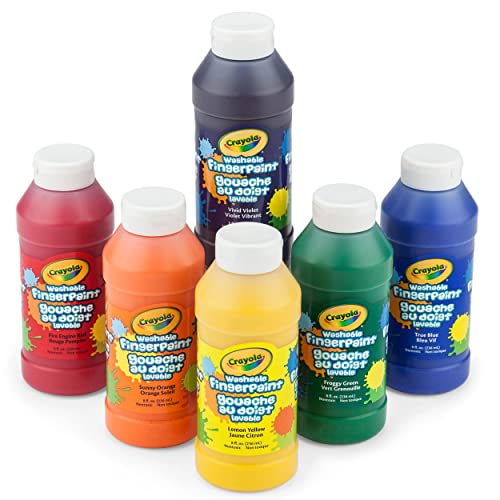
Crayola’s Finger Paints focus on reliability and mess reduction. The set includes six bright shades in EZ Squeeze bottles with flip-top caps for easy access. They’re designed to wash smoothly from skin and clothing, making daily art projects less stressful for caregivers. The color lineup supports basic color mixing and early art exploration, ideal for home or classroom activities where dependable washability matters most.
Honeysticks Non Toxic Finger Paint

Honeysticks offers a six-color set with a thick, creamy texture that provides solid control for tiny fingers. Made in New Zealand with cosmetic-grade colorings, these paints are designed to be non-toxic and easy to clean from skin. They dry nicely on paper and are marketed as long-lasting with minimal smudging. The slightly thicker consistency can help reduce spills and drips during early painting moments, making it a solid option for toddlers who are learning to manage their strokes.
Jar Melo Washable Finger Paints

Jar Melo emphasizes safe, non-toxic pigments in a generous 2.1 fl oz tube format. The ten-color selection supports color exploration and sensory development, while the larger tubes minimize frequent repurchases. The set aims to balance vivid hues with skin-friendly ingredients, offering a practical option for extended painting sessions and hands-on activities that encourage creativity without harsh cleanup requirements.
TMOL Washable Finger Paint For Toddlers

TMOL offers a comprehensive set designed for early learners, including ten colors plus a suite of painting tools like brushes, rollers, and stamp sponges, all housed with a smock and no-spill cups. The product emphasizes safety with ASTM D-4236 certification and easy cleanup from skin and surfaces. It’s well-suited for structured art activities as well as free-form play, enabling kids to experiment with different textures and techniques in one package.
Buying Guide: Key Purchase Considerations
Safety certification: Confirm non-toxic status and ASTM D-4236 compliance to ensure products are appropriate for young children and safe for direct skin contact.
Washability: Look for paints that rinse easily from skin, fabrics, and common surfaces. Consider paints that specifically call out washable formulas for quick cleanup after messy play.
Texture and control: Thick, creamy textures often reduce drips and help toddlers control strokes, while smoother paints may flow easier for older toddlers mastering finger mobility.
Color variety: A broad palette supports color understanding and mixing experiments, which can enhance early STEM-like thinking through art.
Included tools: Some sets add brushes, sponges, or smocks, which can reduce mess and expand the types of activities available beyond finger painting alone.
Age range: Verify the recommended ages align with your child’s development stage and adjust expectations for cleanup and supervision.
Brand considerations: Established brands with documented safety records can provide peace of mind for frequent use in homes or classrooms.
Storage and portability: Look for leak-proof tubes or bottles, durable packaging, and compact sets that are easy to store when not in use.
Durability and scent: Thicker paints may last longer between uses, while overly strong scents can be undesirable for sensitive children; prioritize options with mild fragrances or unscented bases if needed.
Teaching value: Some sets include tools or color cues that support early learning objectives such as color names, color mixing, and sensory integration.
Overall, selecting the right non-toxic finger paints for toddlers involves balancing safety, ease of cleanup, texture, and color variety. The highlighted options provide a range of textures, colors, and accessory sets to accommodate different parent and caregiver preferences while supporting safe, creative play for young artists.