In this guide
Choosing the right sand for water tables combines safety, texture, and versatility. The following five products are selected for their clean composition, moldable textures, and suitability for sensory play, teaching concepts like volume, buoyancy, and structure. Each option works well in classrooms or at home, whether used in water tables, sand tables, or therapy activities. Explore how these sands can support fine motor skills, creativity, and tactile exploration for children of diverse ages.
| Product | Brand | Primary Use | Texture / Benefits |
|---|---|---|---|
| Classic Sand and Play Sand for Sandbox | CLASSIC SAND & PLAY | Sand table, therapy, outdoor play | Premium-grade, non-toxic, enhances imagination and sensory skills |
| Kinetic Sand, Beach Sand | Kinetic Sand | Creative play, sand tables | Sticks together for easy cleanup; never dries out |
| Palmetto Soft Play Sand, Creme | Play Sand | Sandboxes, classrooms, sensory play | Soft, low-dust, supports motor development |
| Sun Joe Ultra Fine Silica Play Sand | Sun Joe | Sandboxes, sensory tables, arts and crafts | Ultra-clean, versatile for many projects |
| Cra-Z-Sand 3lb | Cra-Z-Art | Sensory play, molding and shaping | Stays together when molded; easy cleanup |
Classic Sand And Play Sand For Sandbox
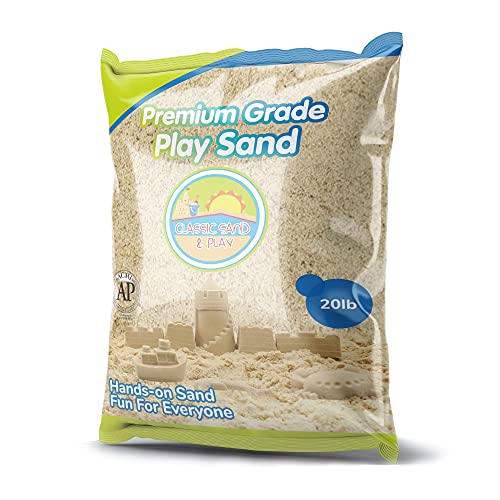
Premium-Grade Play Sand is soft, easy to mold when wet, and thoroughly washed and dried to ensure safety for indoor and outdoor play. This sand supports early learning through hands-on manipulation, helping children build fine motor skills and spatial awareness. It’s also suitable for sand tray therapy, with a premium texture ideal for creative expression and sensory exploration.
Kinetic Sand, Beach Sand
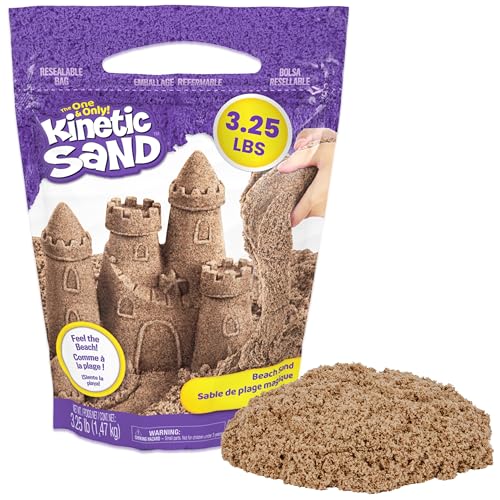
Kinetic Sand Beach Sand provides a unique, moldable experience that remains cohesive as you sculpt. This original magical moving sand is safe, natural, and designed to stick together for simple cleanup. Its tactile properties encourage imaginative play, fine motor development, and repeated, satisfying manipulation without drying out between sessions.
Palmetto Soft Play Sand, Creme

This creme-colored play sand is soft and low-dust, designed for hours of safe sensory play in sandboxes, sensory tables, or classrooms. It supports exploration, digging, shaping, and pouring, while helping children develop large motor skills and hand-eye coordination. Its cleanliness and texture make it a reliable choice for ongoing sensory activities.
Sun Joe Ultra Fine Silica Play Sand

Ultra-clean white silica sand features a soft texture ideal for molding and sculpting. Its versatility spans sandboxes, sensory tables, gardens, aquariums, and weighted toys. The fine grain supports precise finger movements and tactile exploration, making it suitable for therapy-oriented play as well as general creative activities.
Cra-Z-Sand 3lb Bag of Beach Sand

Cra-Z-Sand offers a mess-minimized sensory experience with a texture that sticks together as it’s molded. This product supports imaginative play and pattern creation, with easy cleanup given its self-sticking properties. It’s well-suited for classroom centers or home play spaces that emphasize creativity and organization during sensory time.
Buying Guide: Key Purchase Considerations
Purpose and setting: Assess whether you need sand for a home water table, classroom sensory area, or therapy sessions. Consider indoor versus outdoor use, table height, and whether you require low-dust or ultra-clean formulations.
Texture and grain size: Finer grains offer smoother molding and fewer interruptions for small hands, while slightly coarser textures can support heavier digging and construction activities. Moldability and cohesive feel (as with kinetic sand) can reduce cleanup time.
Safety and composition: Look for non-toxic, surfactant-free products with minimal dust. For therapy or sensitive environments, opt for low-dust or health-certified options and verify suitability for water-table play.
Maintenance and durability: Some sands, like kinetic varieties, are designed to resist drying out and to remain easy to shape after multiple sessions. Consider whether you want a product that can be stored in a resealable container or reused across activities.
Versatility and learning value: Sand that supports pouring, sculpting, and mixing pairs well with educational goals, such as counting, color recognition, and fine motor development. Sand in therapy contexts can facilitate expression and sensory integration.
Cleaning and portability: Portable bags or small containers encourage easy transport between play spaces. For classrooms, consider pack size and convenience of storage to minimize mess during transitions.
Cost and availability: Compare package sizes relative to your anticipated use. While price is a factor, prioritize safety, texture, and compatibility with your intended activities to maximize value over time.