In this guide
Children with ADHD or autism often benefit from seating that supports focus, balance, and sensory regulation. The following selected chairs and related seating tools are designed to promote calmer, more engaged learning and play. Each option offers unique benefits—ranging from spinning and wobble to compression and sit-and-spin functionality—useful for homes, classrooms, and therapy settings. The picks below emphasize safety, durability, and simple setup to help caregivers choose effective tools for daily activities.
| Product | Brand | Focus Area |
|---|---|---|
| 21″ L × 19″ W Large Size Spinning Chair for Autistic Kids | Pterying | Vestibular development, motion-based calming |
| GoSports 18 Inch Wobble Chair | GoSports | Active seating, focus through movement |
| GNAWRISHING Chair Bands | GNAWRISHING | Fidget-friendly alternative seating |
| Zhenx Spinning Chair for Autistic Kids | Zhenx | Direction, balance, concentration through rotation |
| TED KANGAROO Sensory Soft Squeeze Seat | TED KANGAROO | Full-body compression and calming motion |
Below are the five most relevant options, each described with key features and usage ideas to help you compare quickly and make an informed choice.
Large Spin Chair for Autistic Kids — Sit and Spin

The Pterying chair is designed to support vestibular development and improve balance through rotation. It is described as a multi-functional piece usable while sitting, kneeling, or lying down. The design includes thickened edges for safety and a sturdy base capable of supporting up to 150 pounds. Constructed from heat- and corrosion-resistant PP material, this chair fits indoor and outdoor play, offering a practical option for home or school use and for therapy sessions that incorporate movement-based regulation.
GoSports 18 Inch Wobble Chair

The GoSports wobble chair is a 360-degree stool designed to help kids stay focused by allowing natural movement while seated. It’s especially valued for children with ADD or ADHD who benefit from fidget-friendly seating. The chair includes a textured footrest for sensory input and a lightweight design for easy relocation. Its HDPE construction emphasizes durability, with a non-slip base and built-in handles to aid maneuverability. Aimed at growing attention and classroom engagement, this option balances activity with seated tasks.
Chair Bands for Kids with Fidgety Feet
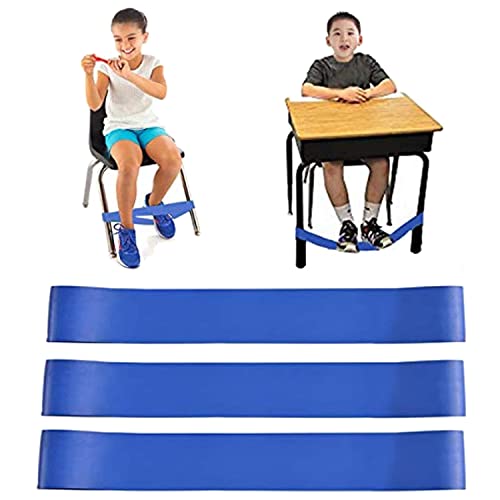
GNAWRISHING chair bands provide a simple, low-cost means of enabling movement while seated. The three-piece latex set fits different chairs and desks, is easy to install, and supports sustained attention by channeling fidgeting into a purposeful activity. This option is suitable for classrooms or home study areas where minimal disruption is desired and where kids benefit from discreet movement as part of a learning routine.
Zhenx Spinning Chair for Autistic Kids

With a 220-pound weight capacity, the Zhenx spinning chair emphasizes balance, direction, and concentration through 360-degree rotation. Its sturdy metal base and non-slip feet provide stability during active play, while the high-quality polyethylene construction ensures durability and easy cleaning. The design supports varied user interactions—swinging, rotating, or casual spinning—making it adaptable for different therapeutic and educational settings seeking engaging sensory input.
KidBloom Spinning Chair with Upgrade Handles

KidBloom’s spinning chair adds dual handles for improved grip and stability, aiding kids during spinning and movement. The reflective diamond-patterned panel enhances visual and tactile sensory input, contributing to an immersive spinning experience. A robust 360-degree silent swivel mechanism and a metal anti-slip base support steady use, with a high weight tolerance of up to 220 pounds. This chair aims to balance safety, excitement, and quiet operation in busy environments.
TED KANGAROO Sensory Soft Squeeze Seat

This sensory seat delivers full-body compression and a rocking motion for calming input. It is designed to help children with autism, ADHD, or focus challenges relax, regroup, and maintain engagement during quiet time, reading, or seated activities. The design supports home or classroom use, and its rock-and-reset motion can be a predictable, soothing break from more stimulating activities, supporting emotional regulation and self-control in daily routines.
Buying Guide: Key Purchase Considerations
- Intended use: Consider whether you need rotating, wobbling, compression, or a combination. Spin and wobble chairs support vestibular input; compression seats calm and center attention; bands offer discreet movement for desks.
- Weight capacity and safety: Check load limits and base stability. Look for non-slip bases, rounded edges, and secure mounting where applicable to reduce tipping risk.
- Durability and materials: Durable plastics, metal bases, and high-quality fabric covers withstand daily use and are easier to clean—important for shared spaces like classrooms.
- Size and portability: Ensure the chair fits your space and user age. Some models are floor-based, while others are height- or width-adjustable or easily moved between rooms.
- Maintenance and cleaning: Removable, washable covers improve sanitation. Consider how easy it is to wipe down and sanitize between uses.
- Multi-sensory balance: For ADHD or autism, a mix of seating options may be most effective—combine rotating seating with compression and discreet fidget tools for varied sensory input.
- Therapy and classroom integration: Align chair choices with therapy goals or learning objectives. Some items pair well with structured activities, while others support free play and exploration.
- Cost vs. value: Higher price often reflects durable materials and stability, but evaluate the long-term benefits, safety certifications, and suitability for your child or students.
Selecting sensory seating involves balancing safety, engagement, and practicality. By reviewing these options—ranging from spinning seats to wobble stools and fidget-friendly bands—caregivers can tailor a setup that promotes focus, regulation, and comfort in both educational and home environments. The best choice often combines several tools to meet a child’s evolving needs and daily routines.