In this guide
Choosing a virtual reality headset for a 6-year-old requires considering safety, comfort, age-appropriateness, and ease of use. The following selections are designed for younger users, emphasize glasses-friendly wear, and include kid-oriented content or educational features. This guide highlights five family-friendly VR headsets with simple controls, adjustable fits, and age-appropriate experiences while avoiding direct price references.
| Product | Brand | Best For | Key Feature |
|---|---|---|---|
| FEEBZ 3D VR Headset for Kids | FEEBZ | Young beginners | 2.0 model compatibility with iPhone & Android; free beginner VR content |
| Heromask VR Headset With Math Games | Heromask | Educational play | Math-focused games; no batteries required; adjustable fit |
| DESTEK V5 VR Headset | DESTEK | Family use | Anti-blue light lenses; broad phone compatibility; glasses-friendly |
| PUSABIYOU VR Headset | PUSABIYOU | Starter 3D experiences | HD visuals; adjustable IPD; 5–7 inch phone compatibility |
| ZYbesthao VR Headset | ZYbesthao | Amazing visuals for kids | Wide 110° view; Bluetooth headphones; broad device support |
Best For Little Learners: FEEBZ 3D VR Headset for Kids

The FEEBZ Kids VR headset is designed for compatibility with various iPhone and Android models in its 2.0 version, expanding the range of devices a family can use. It ships with free VR content including beginner-friendly apps and videos, making it a practical starting point for six-year-olds new to virtual reality. The headset is positioned as a thoughtful gift for birthdays or holidays, emphasizing a gentle entry into VR with age-appropriate content. Its adjustable fit and lightweight design help reduce fatigue during use, supporting longer learning sessions.
Family-Ready VR: TiCCoonuts Headset for All Ages

The TiCCoonuts headset offers broad compatibility with a range of smartphones, including iPhone and Samsung devices. It features integrated foldable Bluetooth headphones for an immersive audio experience, supporting both adults and kids. While designed to be versatile for family use, it can be a practical option for older kids around six who enjoy watching 3D content or playing VR games on shared devices. The headset emphasizes portability and ease of use, with a focus on comfort and straightforward setup.
Immersive 3D Experiences: ZYbesthao VR Headset

The ZYbesthao headset emphasizes a wide 110° field of view and 360° spatial surround sound, delivering a cinematic feel ideal for curious minds. It supports 4.5″ to 6.5″ smartphones and includes built-in wireless headphones for a single-device, child-friendly VR setup. Note that content suitability and supervision are advisable for younger users to ensure safe and age-appropriate experiences, especially when exploring expansive virtual environments and interactive apps.
Anti-Blue Light Comfort: DESTEK V5 VR Headset
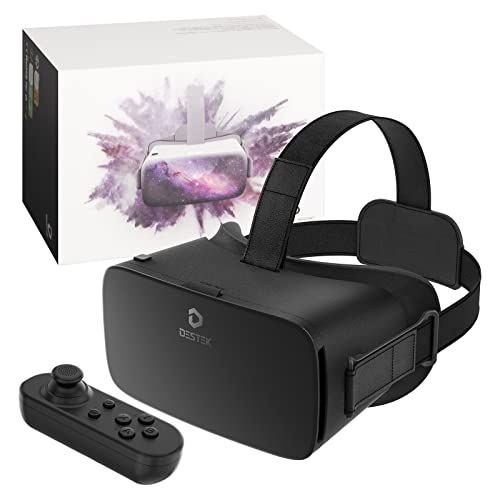
DESTEK’s V5 model highlights glasses-friendly design and anti-blue light lenses, making it a suitable option for kids who wear prescriptions or prefer longer, safer viewing sessions. It supports a wide range of iPhone and Android models and includes a 110-degree field of view, which can enhance immersion without overwhelming younger users. The headset’s adjustable features and explicit warning to remove phone cases before use contribute to safer, easier setup for families exploring VR together.
Compact Starter: PUSABIYOU VR Headset
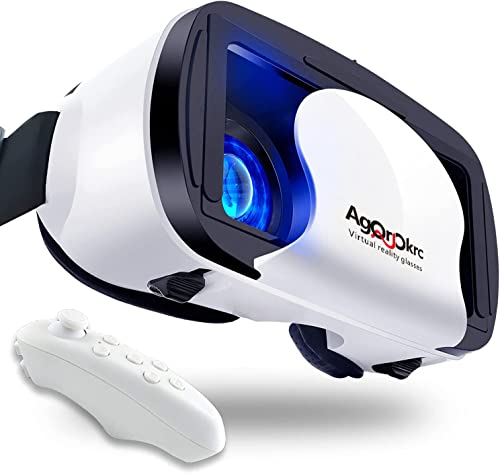
The PUSABIYOU headset targets users seeking a straightforward entry into virtual reality with 5–7 inch phone compatibility. It emphasizes anti-blue light protection, IPD adjustments for clearer visuals, and simplified setup—features beneficial for younger users who are new to VR. The product promotes a simple path to exploring VR games, movies, and interactive apps on compatible smartphones.
Buying Guide
When selecting a VR headset for a 6-year-old, consider the following factors to ensure a safe and enjoyable experience:
- Age-appropriate content: Look for kid-specific apps, videos, and controls designed for younger users, with parental controls or easy exit options.
- Comfort and fit: Choose headsets with adjustable straps, cushioned facial paddings, and lightweight builds to minimize fatigue during playtime.
- Safety and supervision: Avoid content with intense motion or scary imagery. Limit session lengths and supervise children during first uses.
- Phone compatibility: Verify that the headset supports the child’s smartphone size (usually 4.5–6.5 inches) and that the device can run VR apps smoothly.
- Glasses compatibility: If the child wears glasses, prefer models advertised as glasses-friendly or with adjustable pupil distance.
- Audio and immersion: Built-in headphones or Bluetooth audio can enhance the experience but ensure volume is set at safe levels to protect hearing.
- Durability and cleaning: Young users may be rough on devices; choose sturdy models and easy-to-clean materials.
- Content access: Favor headsets that provide age-appropriate free content or content that can be managed with parental controls.
Compared to high-end headsets intended for teens and adults, these options prioritize safety, ease of use, and age-appropriate experiences. Families should evaluate each model’s content, comfort, and compatibility with their specific devices before purchase. This approach helps ensure a positive, educational, and enjoyable introduction to virtual reality for a 6-year-old.