In this guide
Choosing a first balance bike for a toddler blends learning with fun. Walking bikes help kids build balance, coordination, and confidence while staying safely grounded. This guide highlights five top options that emphasize no-pedal design, sturdy construction, and age-appropriate adjustability, making them ideal for toddlers aged 12 to 36 months. Each section includes a quick overview, standout features, and practical tips to match your child’s growth and space.
Summary of Selected Products
| Product | Brand | Recommended Age | Key Benefit |
|---|---|---|---|
| SEREED Baby Balance Bike (Green) | SEREED | 12–24 months | Early walking and riding with safe, pedal-free design |
| Umatoll Colorful Lighting Balance Bike | Umatoll | 12–24 months | Eye-catching glow wheels; adjustable seat |
| Bobike Toddler Balance Bike | Bobike | 2–5 years | Durable steel frame; easy adjustments |
| SEREED Toddler Balance Bike (White) | SEREED | 2–5 years | Tool-free adjustments; sturdy build |
| Retrospec Cricket Balance Bike | Retrospec | 12–24 months | Scratch-resistant wheels; beginner-friendly |
SEREED Baby Balance Bike for 12-24 Months
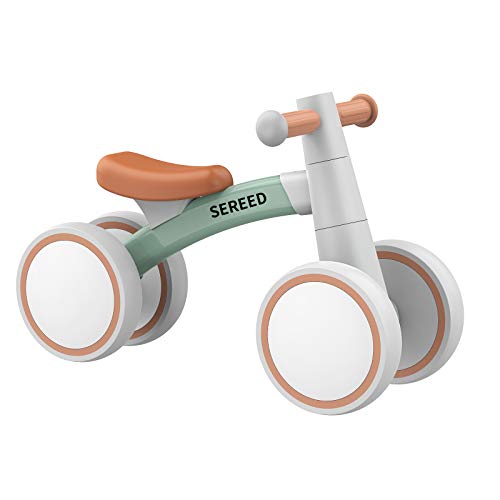
The SEREED balance bike for 12-24 months emphasizes a safe, pedal-free learning experience. Its wide, closed-wheel design reduces the risk of toes getting pinched, and the 135-degree turning limit with gravity steering helps prevent falls while indoors or on smooth surfaces. The aluminum frame is sturdy yet lightweight, paired with a non-slip TPU handle and a softly padded seat to maximize comfort during practice sessions.
Key Points
- Ideal for indoor use and early confidence building in walking and steering
- No pedals, helping kids focus on balance without pedal coordination
- 135° turning limit minimizes tipping risk
Umatoll Colorful Lighting Balance Bike for 12-24 Months

Umatoll blends safety with visual appeal through a glow rear wheel that activates by spinning—no batteries required. The 135° steering limiter reduces tipping risk, while fully enclosed wheels protect tiny feet. The TPU grip ensures a firm hold, and the 3-position adjustable seat grows with your child, extending the bike’s usefulness beyond a single season.
Key Points
- Glowing rear wheels add engagement and curiosity
- 135° limiter supports safer steering for toddlers
- Three-seat positions support growing children
Bobike Toddler Balance Bike: Durable Learn-to-Ride

Bobike offers a robust balance bike designed for kids aged 2–5 years who are transitioning from balance practice to a real bike. Its carbon steel frame provides durability, while adjustable seats and handles grow with your child. The assembly is straightforward, typically requiring only basic tools, and the no-pedal design encourages balance development before pedaling begins.
Key Points
- Adjustable for growing toddlers
- Durable construction with a straightforward setup
- Closer imitation of real bikes helps with confidence
SEREED Toddler Balance Bike (White)

This SEREED model is designed for 2–5-year-olds and features a sturdy carbon steel frame with no-pedal operation. A quick-release mechanism allows tool-free height adjustments for both the seat and handlebars, enabling a precise fit as your child grows. The soft saddle and rubber grips enhance rider comfort and control, while the wide footrest provides a stable platform for practicing balance.
Key Points
- Tool-free height adjustments simplify fitting
- Sturdy frame supports active toddlers
- Comfort-focused design improves riding sessions
Retrospec Cricket Balance Bike for 12-24 Months
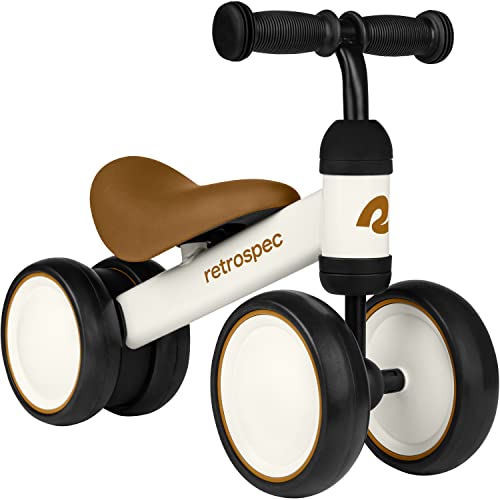
Retrospec Cricket is crafted for beginners aged 12–24 months, focusing on developing foundational motor skills for walking and riding. It employs scratch-resistant wheels to protect floors and ensure long-term use, even with enthusiastic early riders. The design keeps feet on the ground, enabling parents to control speed and help children practice stopping and steering with confidence.
Key Points
- Beginner-friendly design emphasizes safety and control
- Scratch-resistant wheels protect indoor surfaces
- foot-ground riding supports early balance development
Buying Guide: Key Purchase Considerations
When selecting a walking bike for toddlers, consider size, weight, and adjustability. A low stand-over height and a lightweight frame help children mount and dismount with minimal assistance. Look for solid, non-slip grips and wheels with protective features such as enclosed designs to prevent pinching.
Age range and growth: Choose bikes that fit immediately but allow height adjustments as your child grows. Tool-free or quick-adjust mechanisms save time and reduce frustration for parents.
Safety features: Prioritize 135° steering limits, gravity steering, and wide wheelbases that minimize tipping. EN-71 or other safety certifications are a plus, and foam or soft seats improve comfort on longer sessions.
Durability and materials: Steel or aluminum frames balance weight and sturdiness. Non-slip handles and wheel materials that resist wear help extend the toy’s life, particularly for indoor use on harder floors.
Maintenance and assembly: Consider bikes with simple assembly and minimal tools. A few models include quick-release height adjustments, which reduce the need for ongoing manual setups as your child grows.
Space and environment: For apartment living or small yards, indoor-friendly designs and wheel protection on floors are beneficial. Consider storage needs as well, since some models compress or fold for easier shelving.
Alternatives and progression: For families planning longer-term use, a model with a longer age range (2–5 years) can minimize future purchases. Some bikes also offer decorative customization features, such as stickers or plates, that may engage toddlers more deeply in play.